




May
21,
2026
Introducing a child to music doesn’t have to involve expensive instruments or years of lessons. Sometimes, the simplest tools spark the biggest ...
May
21,
2026
Introducing a child to music doesn’t have to involve expensive instruments or years of lessons. Sometimes, the simplest tools spark the biggest ...
Dec
30,
2025
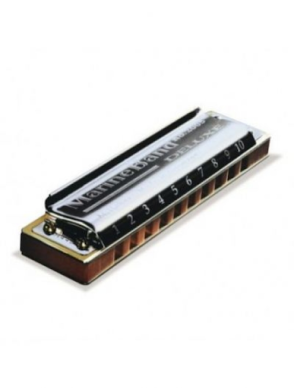
Some harmonicas don’t just make music; they carry history. The Blues Harp and the Marine Band 1896 are two of those instruments. If you’ve been ...
Dec
17,
2025
If you’ve been exploring the world of chromatic harmonicas, you’ve probably come across the legendary Hohner Chrometta series.
Oct
31,
2025
If you’ve ever felt dizzy or out of breath while playing, you’re not alone. Breathing is the heartbeat of harmonica playing, literally.
Oct
07,
2025
Learning scales, songs, and techniques can make you a solid harmonica player, but what really sets musicians apart is their ability to improvise.
Aug
27,
2025
Learning the harmonica often begins with simple melodies, chordal rhythms, and expressive bends.
Aug
26,
2025
Let’s face it—there’s nothing more frustrating than a harmonica that sounds even slightly off.
Jul
30,
2025
For an instrument that fits in your front pocket, the diatonic harmonica sure knows how to make noise. Not just noise—soul.
Jul
02,
2025
If you've ever heard that sweet, almost vocal cry in a blues riff—or that soulful dip in a country lick—and wondered, “How on earth do they do ...
Jun
05,
2025
When professional harmonica players choose their instruments, it’s more than just picking a brand or a model—it’s selecting their musical partner.
Mar
31,
2025
Finding the best chromatic harmonicas isn’t about grabbing the priciest one off the shelf or blindly trusting a review. It’s about finding the ...
Mar
06,
2025
So, you’re thinking about picking up the harmonica? Great choice. This little instrument has a rich, soulful sound that fits into blues, rock, ...
Feb
25,
2025
The harmonica is a timeless instrument, loved for its versatility, portability, and ability to create heartfelt melodies.
Feb
05,
2025
When it comes to choosing a harmonica, the brand you pick plays a huge role in shaping your musical experience.
Oct
30,
2023
Did you know that the harmonica has been around for centuries, yet it's one of the most underappreciated instruments out there? It's true. While ...
Oct
30,
2023
If you're searching for the best diatonic harmonica, you'll soon find out there's a lot to consider. Interested? You should be. Knowing the ...
Oct
30,
2023
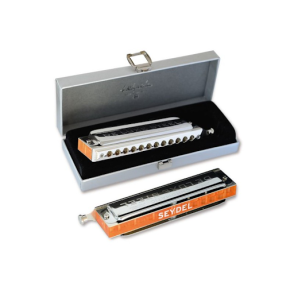
Did you know that the Seydel Chromatic De Luxe Steel is one of the few harmonicas in the world to feature stainless steel reeds? This isn't just a ...
Oct
30,
2023
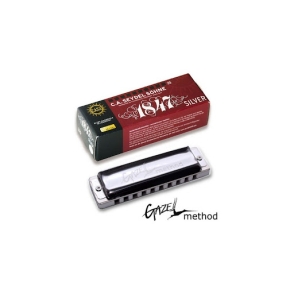
Think you know everything there is to know about harmonicas? Well, prepare to be amazed. The Seydel 1847 Silver Harmonica is here to shatter all ...
Sep
12,
2023
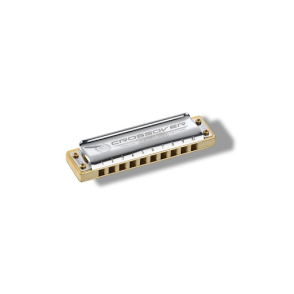
The Hohner Crossover harmonica is a true gem in the world of harmonicas. Designed with a serious player in mind, this harmonica offers a perfect ...
Sep
12,
2023
Welcome to our captivating blog, where we embark on a musical journey delving into "The Evolution of Chromatic Harmonicas: A Historical Overview." ...
No Blog Post Found

The harmonica may be small, but it's a powerhouse of expression in the hands of a skilled player.
Once you've nailed the basics—single notes, bending, vibrato—you realize there’s a whole world of advanced harmonica techniques waiting to be explored.
These aren't just flashy tricks; they're the keys to unlocking deeper musicality, richer tone, and greater control over your instrument.
So, if you’re ready to push past the plateau and refine your sound, let’s dive into some next-level techniques that will take your playing to places you never thought possible.
If you've ever felt limited by the diatonic harmonica’s missing notes, bends and overbends are your ticket to a full chromatic scale.

These techniques allow you to produce pitches that aren’t naturally available on a standard harp, making them essential for jazz, blues, and even classical music.
Both require precise embouchure control and airflow manipulation—too much force, and the note cracks; too little, and it won’t sound at all.
Many players start with puckering, but tongue blocking opens up a world of possibilities beyond just isolating notes.
Once you master the basic block, you can integrate advanced harmonica techniques like slaps, flutters, and pulls to give your playing a richer, more textured sound.
Tongue blocking is about deepening your control. It gives your playing a more polished, full-bodied tone that can mimic the breathy qualities of a saxophone or the growl of an amplified blues harp.
If you’re after that deep, soulful tone of players like Howard Levy or Sonny Terry, you’ll need to get comfortable with split notes and the lesser-known slant blocking technique.
This technique is subtle and tricky to master, but once you do, you’ll have a sound that sets you apart from the standard blues harp crowd.
Most players learn basic bends early on, but the real magic happens when you master controlled bending—hitting precise pitches cleanly and consistently.
Perfecting these takes patience, but once you do, your bends will sound more like intentional musical statements rather than wild guesses.
Most blues and folk harmonica players live in first position (straight harp) or second position (cross harp). But why stop there? Exploring third, fourth, and even twelfth positions allows you to tap into different musical moods and styles.

Learning these positions requires ear training and scale practice, but they open up endless possibilities for musical expression.
Harmonica players often focus on technique but overlook breath control, which is arguably the most crucial aspect of advanced playing. The best players don’t just blow and draw—they sculpt their airflow with precision.
If your playing feels choppy or inconsistent, working on breath control will improve everything else—tone, articulation, and endurance.
Mastering advanced harmonica techniques is about control, tone, and musical expression.
Whether you’re tackling overblows, refining tongue-blocking artistry, or experimenting with new positions, each technique you add to your arsenal makes you a more versatile and compelling player.
And while practice is essential, having the right instrument can make all the difference.
If you're looking for high-quality harmonicas that can handle the demands of advanced playing, check out Harmonicaland.
With a wide selection of professional-grade harmonicas, it’s a go-to spot for serious players ready to push their skills to the next level.
So, what’s the next technique you’re going to master?





![How to Bend Notes on Your Harmonica [Ultimate Guide]](/modules/tvcmsblog/views/img/blog_left-bending-notes.jpg)

Comments : 4