



May
21,
2026
Introducing a child to music doesn’t have to involve expensive instruments or years of lessons. Sometimes, the simplest tools spark the biggest ...
May
21,
2026
Introducing a child to music doesn’t have to involve expensive instruments or years of lessons. Sometimes, the simplest tools spark the biggest ...
Dec
30,
2025
Some harmonicas don’t just make music; they carry history. The Blues Harp and the Marine Band 1896 are two of those instruments. If you’ve been ...
Dec
17,
2025
If you’ve been exploring the world of chromatic harmonicas, you’ve probably come across the legendary Hohner Chrometta series.
Oct
31,
2025
If you’ve ever felt dizzy or out of breath while playing, you’re not alone. Breathing is the heartbeat of harmonica playing, literally.
Oct
07,
2025
Learning scales, songs, and techniques can make you a solid harmonica player, but what really sets musicians apart is their ability to improvise.
Aug
27,
2025
Learning the harmonica often begins with simple melodies, chordal rhythms, and expressive bends.
Aug
26,
2025
Let’s face it—there’s nothing more frustrating than a harmonica that sounds even slightly off.
Jul
30,
2025
For an instrument that fits in your front pocket, the diatonic harmonica sure knows how to make noise. Not just noise—soul.
Jul
02,
2025
If you've ever heard that sweet, almost vocal cry in a blues riff—or that soulful dip in a country lick—and wondered, “How on earth do they do ...
Jun
05,
2025
When professional harmonica players choose their instruments, it’s more than just picking a brand or a model—it’s selecting their musical partner.
Mar
31,
2025
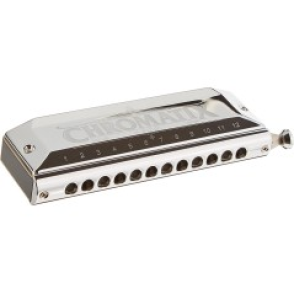
Finding the best chromatic harmonicas isn’t about grabbing the priciest one off the shelf or blindly trusting a review. It’s about finding the ...
Mar
06,
2025
So, you’re thinking about picking up the harmonica? Great choice. This little instrument has a rich, soulful sound that fits into blues, rock, ...
Feb
25,
2025
The harmonica is a timeless instrument, loved for its versatility, portability, and ability to create heartfelt melodies.
Feb
05,
2025
When it comes to choosing a harmonica, the brand you pick plays a huge role in shaping your musical experience.
Oct
30,
2023
Did you know that the harmonica has been around for centuries, yet it's one of the most underappreciated instruments out there? It's true. While ...
Oct
30,
2023
If you're searching for the best diatonic harmonica, you'll soon find out there's a lot to consider. Interested? You should be. Knowing the ...
Oct
30,
2023
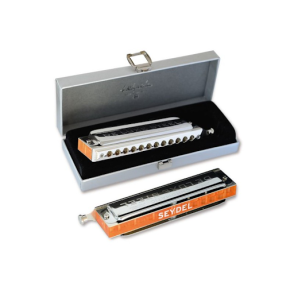
Did you know that the Seydel Chromatic De Luxe Steel is one of the few harmonicas in the world to feature stainless steel reeds? This isn't just a ...
Oct
30,
2023
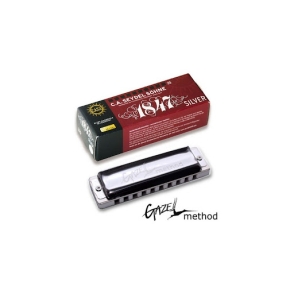
Think you know everything there is to know about harmonicas? Well, prepare to be amazed. The Seydel 1847 Silver Harmonica is here to shatter all ...
Sep
12,
2023
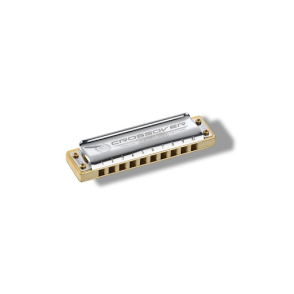
The Hohner Crossover harmonica is a true gem in the world of harmonicas. Designed with a serious player in mind, this harmonica offers a perfect ...
Sep
12,
2023
Welcome to our captivating blog, where we embark on a musical journey delving into "The Evolution of Chromatic Harmonicas: A Historical Overview." ...
No Blog Post Found

Whether you’re jamming in the garage or prepping for a live gig, the tiniest bit of disharmony can throw your whole groove. The good news? You don’t need a background in sound engineering to get your harmonica back in shape.
With a little patience and the right guidance, tuning a harmonica can be surprisingly straightforward—even kind of fun.
So, grab your harmonica, a small screwdriver, and your listening ears. We’re about to get into the rhythm of restoring that crisp, rich tone you fell in love with in the first place.
Harmonicas don’t come with blinking lights or buzzers that tell you something’s off. You’ll need to rely on your ears and instincts. If a reed sounds flat, sharp, or just doesn’t seem to blend well with the rest of the instrument, that’s your cue.
Sometimes, it’s subtle. Maybe a note doesn’t bend like it used to, or there’s a strange buzz that wasn’t there before. Other times, it’s glaringly obvious—think dissonance that makes your bandmates give you the side-eye.
If you're unsure, compare the note in question to a digital tuner or a well-tuned reference instrument.
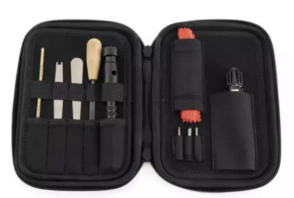
Before you start poking around under the hood, gather the essentials. Here’s what you’ll need:
.jpg)
If you’re the kind of player who loves to tinker, you might already have these. If not, most of these tools and spare parts are easy to find in specialized online shops. Just be gentle—your harmonica isn’t a power drill.
Take your time opening up the harmonica. This isn’t the part to rush. Place the screws in a dish or tray so they don’t disappear into the carpet (we’ve all been there).
Carefully separate the reed plates from the comb and take a moment to get familiar with how things are laid out.
The reeds you’ll be adjusting are small, delicate metal tongues that vibrate when you play. Each one corresponds to a specific note, and it only takes a tiny change to shift the pitch.
Think of it like trimming a guitar string by a millimeter—except smaller and more fragile.
Once you identify which reed is out of tune, use your chromatic tuner to confirm whether it’s sharp (too high) or flat (too low).
Light strokes. Seriously. One swipe too many and you’ll overcorrect, which means you’ll be going back and forth like a pendulum.
After each adjustment, reassemble the harmonica (or use a temporary clamping tool) and test the note. Patience here pays off big time.
Tuning tools are great, but your ears are still the ultimate judges. Play the harmonica the way you normally would—single notes, chords, bends—and listen carefully.
A chromatic tuner might tell you the note is “in tune,” but it doesn’t know your playing style, tone preferences, or the musical context.
Sometimes a reed that’s technically spot-on can still feel off in the context of a song. That’s why tuning a harmonica isn’t just mechanical—it’s also a bit of an art. Your intuition, especially if you’ve been playing for a while, is worth trusting.
.jpg)
Also, don’t forget to check your tuning across different breath pressures. What sounds perfect on a light draw might go sharp with a hard pull, especially on lower reeds. The goal isn’t sterile perfection—it’s musicality.
Sometimes, despite your best efforts, a reed just won’t cooperate. Maybe it’s cracked, warped, or just tired after years of being blasted in blues jams.
If that’s the case, giving your harmonica some thorough maintenance and repair can help, but if it’s truly beyond saving, replacing the reed altogether is the best option.
Honestly, tuning isn’t something you’ll master in a single afternoon. But you don’t have to. Getting a feel for the process and developing a lighter touch comes with time.
Every attempt sharpens your instincts, even if it doesn’t result in pitch-perfect success.
There’s a real satisfaction in hearing a perfectly tuned note ring out—especially when you did it yourself.
Tuning a harmonica might sound intimidating at first, but once you get into the rhythm of it, something is calming about the whole process. Like adjusting an old radio until the station comes in clear, it’s all about finesse.
And when you're ready for a new harmonica—or want one that arrives already perfectly tuned—Harmonicaland has you covered.
With one of the most extensive selections of harmonicas in the world (yes, really), we’re the go-to shop for players of all levels.
Whether you’re looking to upgrade or just explore new sounds, contact us today! You'll find what you need—minus the guesswork.
So go ahead—tune up, play out, and keep the music alive.





![How to Bend Notes on Your Harmonica [Ultimate Guide]](/modules/tvcmsblog/views/img/blog_left-bending-notes.jpg)

Comments : 0