




May
21,
2026
Introducing a child to music doesn’t have to involve expensive instruments or years of lessons. Sometimes, the simplest tools spark the biggest ...
May
21,
2026
Introducing a child to music doesn’t have to involve expensive instruments or years of lessons. Sometimes, the simplest tools spark the biggest ...
Dec
30,
2025
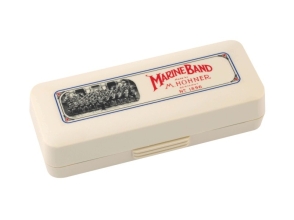
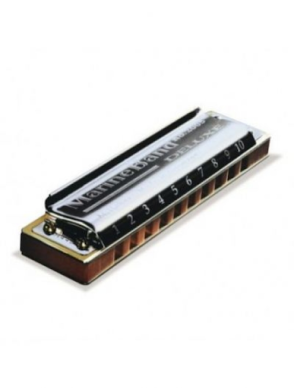
Some harmonicas don’t just make music; they carry history. The Blues Harp and the Marine Band 1896 are two of those instruments. If you’ve been ...
Dec
17,
2025
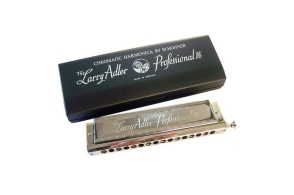
If you’ve been exploring the world of chromatic harmonicas, you’ve probably come across the legendary Hohner Chrometta series.
Oct
31,
2025
If you’ve ever felt dizzy or out of breath while playing, you’re not alone. Breathing is the heartbeat of harmonica playing, literally.
Oct
07,
2025
Learning scales, songs, and techniques can make you a solid harmonica player, but what really sets musicians apart is their ability to improvise.
Aug
27,
2025
Learning the harmonica often begins with simple melodies, chordal rhythms, and expressive bends.
Aug
26,
2025
Let’s face it—there’s nothing more frustrating than a harmonica that sounds even slightly off.
Jul
30,
2025
For an instrument that fits in your front pocket, the diatonic harmonica sure knows how to make noise. Not just noise—soul.
Jul
02,
2025
If you've ever heard that sweet, almost vocal cry in a blues riff—or that soulful dip in a country lick—and wondered, “How on earth do they do ...
Jun
05,
2025
When professional harmonica players choose their instruments, it’s more than just picking a brand or a model—it’s selecting their musical partner.
Mar
31,
2025
Finding the best chromatic harmonicas isn’t about grabbing the priciest one off the shelf or blindly trusting a review. It’s about finding the ...
Mar
06,
2025
So, you’re thinking about picking up the harmonica? Great choice. This little instrument has a rich, soulful sound that fits into blues, rock, ...
Feb
25,
2025
The harmonica is a timeless instrument, loved for its versatility, portability, and ability to create heartfelt melodies.
Feb
05,
2025
When it comes to choosing a harmonica, the brand you pick plays a huge role in shaping your musical experience.
Oct
30,
2023
Did you know that the harmonica has been around for centuries, yet it's one of the most underappreciated instruments out there? It's true. While ...
Oct
30,
2023
If you're searching for the best diatonic harmonica, you'll soon find out there's a lot to consider. Interested? You should be. Knowing the ...
Oct
30,
2023
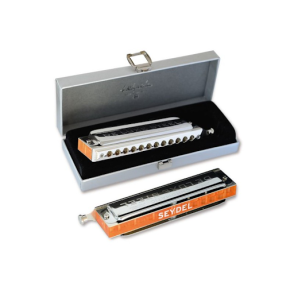
Did you know that the Seydel Chromatic De Luxe Steel is one of the few harmonicas in the world to feature stainless steel reeds? This isn't just a ...
Oct
30,
2023
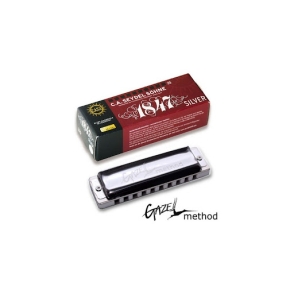
Think you know everything there is to know about harmonicas? Well, prepare to be amazed. The Seydel 1847 Silver Harmonica is here to shatter all ...
Sep
12,
2023
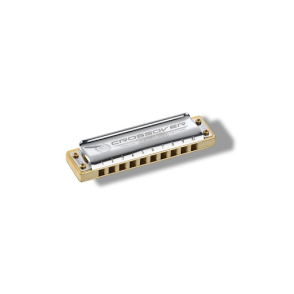
The Hohner Crossover harmonica is a true gem in the world of harmonicas. Designed with a serious player in mind, this harmonica offers a perfect ...
Sep
12,
2023
Welcome to our captivating blog, where we embark on a musical journey delving into "The Evolution of Chromatic Harmonicas: A Historical Overview." ...
No Blog Post Found
![How to Bend Notes on Your Harmonica [Ultimate Guide]](/modules/tvcmsblog/views/img/large_res-bending-notes.jpg)
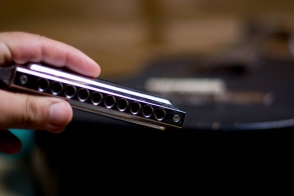
If you've ever heard that sweet, almost vocal cry in a blues riff—or that soulful dip in a country lick—and wondered, “How on earth do they do that on such a tiny instrument?”… well, chances are, you were hearing a bend.
It’s one of those advanced techniques that separate the casual dabblers from the harmonica players who can truly make the instrument sing.
And while bending a note with a harmonica might sound like a mysterious trick reserved for seasoned pros, it’s not out of reach.
In fact, with the right approach and a bit of ear training (and patience—lots of it), you can get there.
So let’s walk through it together—no jargon-heavy fluff, no intimidating diagrams—just practical advice, real talk, and a little encouragement along the way.
Think of bending like coaxing a note to slide downward in pitch—sort of like adding a vocal scoop or a subtle sigh to a musical phrase.
You’re not switching holes or jumping to a new note—you’re manipulating the air flow and your embouchure (that’s a fancy word for the shape of your mouth and tongue) to alter the pitch of the note you're already playing.
You can bend and draw notes on holes 1 through 6, and blow bends on holes 7 through 10. But most beginners, who are still settling into their groove, usually focus on draw bends—especially around holes 4, 5, and 6—because that’s where it starts to click.

And yes, it’ll probably sound bad at first. Think wheezing vacuum meets confused duck. But that’s just your muscles figuring out something new.
Alright, here’s the thing: bending isn’t about brute force. It’s not about blowing or sucking harder. That’s where a lot of folks go wrong. If you’re turning red in the face trying to force it, take a step back—this isn’t a competition of lung power.
Instead, it's all about controlling the shape of your vocal tract. You’re essentially creating a resonance chamber with your mouth and throat, adjusting it ever-so-slightly until the pitch of the note drops.
One popular trick is to think of saying "ee" and gradually shifting it to an "oo" shape with your tongue, all while drawing air in. That tongue position change lowers the pitch.
It might sound abstract now, but once you feel it happen—even just once—it’ll all make sense.
And here’s a small detour, but it matters: try this without the harmonica. Say “ee” to “oo” slowly while inhaling through your mouth. Feel how your tongue moves? That’s the basic muscle motion you’ll be refining when you bend.
So, how do you practice bending a note with a harmonica without going insane?
Well, having the right brand and model (one well-suited to note-bending) goes without saying, but the short answer: go slow and record yourself.
Long answer: pick one hole—let’s say hole 4, draw on a C harmonica—and just spend time there.
Forget speed. Forget trying to “nail it” in five minutes. Focus on listening for that subtle dip in pitch. When it happens, pause. Let your body remember what it felt like.

Some players swear by using a tuner app (like “Bendometer” or “Harp Ninja”) to see the pitch drop visually. Others prefer to trust their ear. Both are valid. What matters is that you’re engaging with the sound, not just going through the motions.
And by the way, don’t be surprised if you nail a bend one day and completely lose it the next. That’s normal. Frustrating, yes. But normal.
Let’s save you some trial-and-error heartache, shall we?
And one more thing—don’t be afraid to sound bad. Seriously. Every player you admire went through a phase of clunky, unintentional bends that sounded more like a foghorn than music. Keep going.
So once you’ve got the motion down and can bend consistently, what's next? Simple—start using it in songs. Or get a play-along track for practice. Whatever it takes.
Even a tiny bend can inject soul into the most basic melody. Use it to add emotion, drama, and a touch of attitude.
Ever tried playing “Oh Susanna” with a few bends thrown in? It goes from campfire cute to something strangely... cinematic. That’s the magic.
As you get more confident, you’ll find that bending opens doors to riffs and phrasing that just aren’t possible with clean, straight notes. It’s like learning to inflect when you speak—it turns your playing from robotic to real.
Learning to bend a note with a harmonica is like learning to ride a bike with no training wheels—awkward at first, slightly terrifying, but wildly freeing once it clicks.
And while the road might be bumpy, it’s worth every missed note and every puzzled look from your dog during practice.
And hey—if you’re looking for a quality harp that’ll respond well to bends (because yes, gear does matter), take a look at what Harmonicaland has in store.
Whether you’re a beginner or a seasoned pro, our premium selection of harmonicas for sale is curated by players who get it. Because the right instrument makes the whole bending journey feel a whole lot smoother.
So grab your harp, make peace with the weird sounds, and keep bending. Contact us today—your sound is waiting to come alive!





![How to Bend Notes on Your Harmonica [Ultimate Guide]](/modules/tvcmsblog/views/img/blog_left-bending-notes.jpg)

Comments :