



May
21,
2026
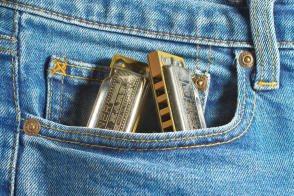
Introducing a child to music doesn’t have to involve expensive instruments or years of lessons. Sometimes, the simplest tools spark the biggest ...
May
21,
2026
Introducing a child to music doesn’t have to involve expensive instruments or years of lessons. Sometimes, the simplest tools spark the biggest ...
Dec
30,
2025
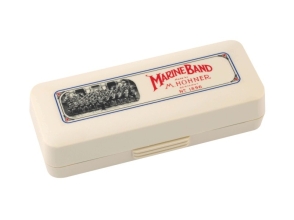
Some harmonicas don’t just make music; they carry history. The Blues Harp and the Marine Band 1896 are two of those instruments. If you’ve been ...
Dec
17,
2025
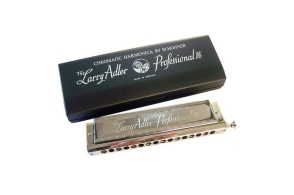
If you’ve been exploring the world of chromatic harmonicas, you’ve probably come across the legendary Hohner Chrometta series.
Oct
31,
2025
If you’ve ever felt dizzy or out of breath while playing, you’re not alone. Breathing is the heartbeat of harmonica playing, literally.
Oct
07,
2025
Learning scales, songs, and techniques can make you a solid harmonica player, but what really sets musicians apart is their ability to improvise.
Aug
27,
2025
Learning the harmonica often begins with simple melodies, chordal rhythms, and expressive bends.
Aug
26,
2025
Let’s face it—there’s nothing more frustrating than a harmonica that sounds even slightly off.
Jul
30,
2025
For an instrument that fits in your front pocket, the diatonic harmonica sure knows how to make noise. Not just noise—soul.
Jul
02,
2025
If you've ever heard that sweet, almost vocal cry in a blues riff—or that soulful dip in a country lick—and wondered, “How on earth do they do ...
Jun
05,
2025
When professional harmonica players choose their instruments, it’s more than just picking a brand or a model—it’s selecting their musical partner.
Mar
31,
2025
Finding the best chromatic harmonicas isn’t about grabbing the priciest one off the shelf or blindly trusting a review. It’s about finding the ...
Mar
06,
2025
So, you’re thinking about picking up the harmonica? Great choice. This little instrument has a rich, soulful sound that fits into blues, rock, ...
Feb
25,
2025
The harmonica is a timeless instrument, loved for its versatility, portability, and ability to create heartfelt melodies.
Feb
05,
2025
When it comes to choosing a harmonica, the brand you pick plays a huge role in shaping your musical experience.
Oct
30,
2023
Did you know that the harmonica has been around for centuries, yet it's one of the most underappreciated instruments out there? It's true. While ...
Oct
30,
2023
If you're searching for the best diatonic harmonica, you'll soon find out there's a lot to consider. Interested? You should be. Knowing the ...
Oct
30,
2023
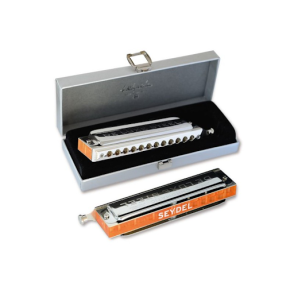
Did you know that the Seydel Chromatic De Luxe Steel is one of the few harmonicas in the world to feature stainless steel reeds? This isn't just a ...
Oct
30,
2023
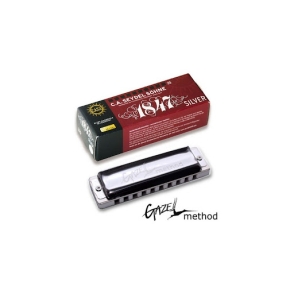
Think you know everything there is to know about harmonicas? Well, prepare to be amazed. The Seydel 1847 Silver Harmonica is here to shatter all ...
Sep
12,
2023
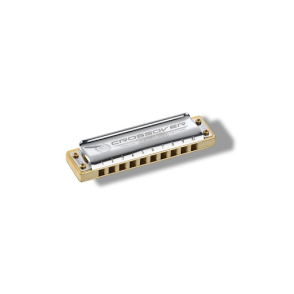
The Hohner Crossover harmonica is a true gem in the world of harmonicas. Designed with a serious player in mind, this harmonica offers a perfect ...
Sep
12,
2023
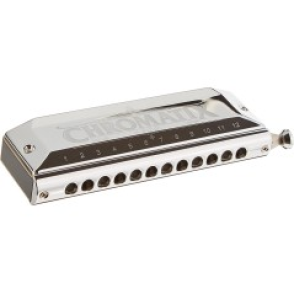
Welcome to our captivating blog, where we embark on a musical journey delving into "The Evolution of Chromatic Harmonicas: A Historical Overview." ...
No Blog Post Found

Improvisation turns rehearsed skills into personal expression. It’s that moment when you stop just playing the notes and start telling your own story through sound. For many players, harmonica improvisation is where the fun truly begins.
Improvisation isn’t just for jazz musicians. Whether you’re jamming blues in a backyard, adding soulful fills to a folk tune, or experimenting with rock riffs, improvisation allows you to:
The harmonica, with its expressive bends, rhythmic possibilities, and raw tone, is especially suited to harmonica improvisation.
Even a single note can carry weight and emotion when delivered with intention. That’s why many great players use simple riffs and then endlessly reshape them to keep their music alive.
Before you can freely improvise, it helps to know a few foundational pieces:
Once you’re comfortable, explore the third position for minor moods or the first position for folk melodies. Each position unlocks new emotional colors.
Here are some practical steps for dipping into improvisation without feeling overwhelmed:
Improvisation looks different depending on the music you’re playing:
The beauty of improvising is that no two players sound alike. Your influences, preferences, and even your mood on a given day will shape the way you play.
Improvisation can feel intimidating at first. Many beginners worry about playing “wrong” notes. Here’s the truth: every player hits them. The trick is to lean into them.
.jpg)
Slide into the right pitch, repeat the “mistake” with confidence, or use it as a springboard into a new phrase. Some of the most iconic riffs in music history came from so-called mistakes.
Another common challenge is running out of ideas. When that happens, change your perspective:
These small shifts can turn a stale moment into something fresh.
If you want to get comfortable improvising on a harmonica, build routines into your practice:
Great harmonica improvisers prove what’s possible:
Listening closely to these players is like studying a living language. Each has a unique “voice” that shows the endless possibilities of improvisation.
At its heart, improvisation is about honesty. The more you practice, the more your personality shines through.
.jpg)
Some days your playing might feel raw and bluesy; other days it might come out playful or meditative. Both reflect who you are in that moment, and that authenticity is what connects with listeners.
Harmonica improvisation becomes easier when you’re playing an instrument that responds beautifully to every nuance.
Choosing the right harmonica lets you bend notes with precision, shape tones effortlessly, and explore the full emotional range of your music.
At Harmonicaland, you’ll find a wide selection of professional-quality harmonicas that support your creative flow, whether you’re a beginner exploring improvisation or a seasoned player refining your style.
With the right harp in hand, your next improvised masterpiece is just a breath away.
Contact us today, and let’s find the harmonica that turns that vision into reality!





![How to Bend Notes on Your Harmonica [Ultimate Guide]](/modules/tvcmsblog/views/img/blog_left-bending-notes.jpg)

Comments : 0