



May
21,
2026
Introducing a child to music doesn’t have to involve expensive instruments or years of lessons. Sometimes, the simplest tools spark the biggest ...
May
21,
2026
Introducing a child to music doesn’t have to involve expensive instruments or years of lessons. Sometimes, the simplest tools spark the biggest ...
Dec
30,
2025
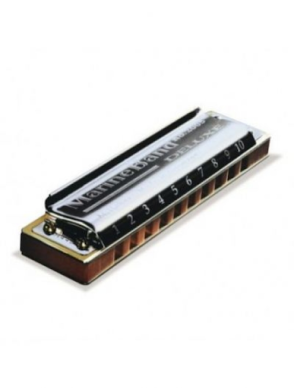
Some harmonicas don’t just make music; they carry history. The Blues Harp and the Marine Band 1896 are two of those instruments. If you’ve been ...
Dec
17,
2025
If you’ve been exploring the world of chromatic harmonicas, you’ve probably come across the legendary Hohner Chrometta series.
Oct
31,
2025
If you’ve ever felt dizzy or out of breath while playing, you’re not alone. Breathing is the heartbeat of harmonica playing, literally.
Oct
07,
2025
Learning scales, songs, and techniques can make you a solid harmonica player, but what really sets musicians apart is their ability to improvise.
Aug
27,
2025
Learning the harmonica often begins with simple melodies, chordal rhythms, and expressive bends.
Aug
26,
2025
Let’s face it—there’s nothing more frustrating than a harmonica that sounds even slightly off.
Jul
30,
2025
For an instrument that fits in your front pocket, the diatonic harmonica sure knows how to make noise. Not just noise—soul.
Jul
02,
2025
If you've ever heard that sweet, almost vocal cry in a blues riff—or that soulful dip in a country lick—and wondered, “How on earth do they do ...
Jun
05,
2025
When professional harmonica players choose their instruments, it’s more than just picking a brand or a model—it’s selecting their musical partner.
Mar
31,
2025
Finding the best chromatic harmonicas isn’t about grabbing the priciest one off the shelf or blindly trusting a review. It’s about finding the ...
Mar
06,
2025
So, you’re thinking about picking up the harmonica? Great choice. This little instrument has a rich, soulful sound that fits into blues, rock, ...
Feb
25,
2025
The harmonica is a timeless instrument, loved for its versatility, portability, and ability to create heartfelt melodies.
Feb
05,
2025
When it comes to choosing a harmonica, the brand you pick plays a huge role in shaping your musical experience.
Oct
30,
2023
Did you know that the harmonica has been around for centuries, yet it's one of the most underappreciated instruments out there? It's true. While ...
Oct
30,
2023
If you're searching for the best diatonic harmonica, you'll soon find out there's a lot to consider. Interested? You should be. Knowing the ...
Oct
30,
2023
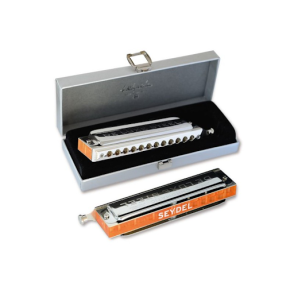
Did you know that the Seydel Chromatic De Luxe Steel is one of the few harmonicas in the world to feature stainless steel reeds? This isn't just a ...
Oct
30,
2023
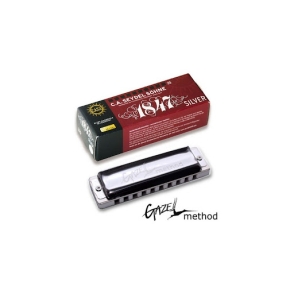
Think you know everything there is to know about harmonicas? Well, prepare to be amazed. The Seydel 1847 Silver Harmonica is here to shatter all ...
Sep
12,
2023
The Hohner Crossover harmonica is a true gem in the world of harmonicas. Designed with a serious player in mind, this harmonica offers a perfect ...
Sep
12,
2023
Welcome to our captivating blog, where we embark on a musical journey delving into "The Evolution of Chromatic Harmonicas: A Historical Overview." ...
No Blog Post Found

Introducing a child to music doesn’t have to involve expensive instruments or years of lessons. Sometimes, the simplest tools spark the biggest interest.
The harmonica is one of those rare instruments that feels playful yet teaches fundamental musical skills.
Choosing the best harmonicas for kids means finding something safe, comfortable, and encouraging, an instrument that makes learning feel like fun, not pressure.
Kids don’t need perfection. They need an instrument that responds easily, sounds pleasant right away, and doesn’t frustrate them before they’ve had a chance to enjoy it.
When the harmonica fits those criteria, it can become a child’s first real connection to music.
The harmonica checks a lot of boxes for young beginners. It’s lightweight, portable, and doesn’t require complicated fingerings or posture. More importantly, it produces sound immediately. A child can pick it up, breathe in or out, and hear a note right away.
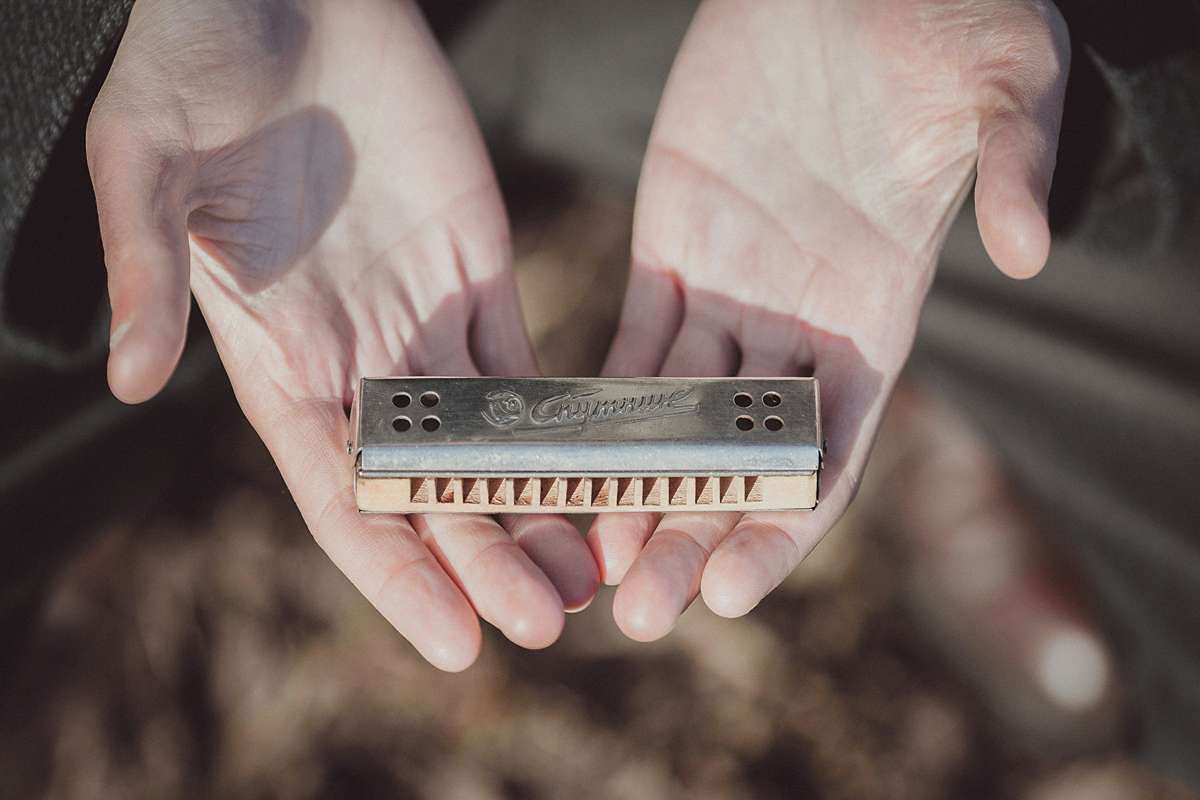
That instant feedback matters. It builds confidence and curiosity, two things kids need to stay engaged.
Harmonica playing also helps develop breathing control, listening skills, and basic rhythm, all foundational musical abilities that transfer well to other instruments later on.
Not every harmonica is suitable for children. Some are designed for professional players and can be difficult or even uncomfortable for small mouths and hands. When choosing a first harmonica for a child, focus on these essentials:
A harmonica should fit comfortably in a child’s hands and mouth. Smaller diatonic harmonicas are ideal because they’re easy to hold and don’t require stretching or forceful breath control.
Smooth edges are essential, too, no sharp corners or exposed metal that could irritate lips.
Look for harmonicas made with non-toxic plastics or sealed wood combs. Children often explore instruments with their mouths in unpredictable ways, so safety matters more than aesthetics. Reputable brands clearly state the materials used and comply with safety standards.
Kids don’t have strong lung capacity yet. A good beginner harmonica should respond to light breath pressure. If a child has to blow hard to get a note, they’ll tire quickly and lose interest.
A harmonica that squeaks, rattles, or sounds airy can be discouraging. Clear tone helps children recognize melodies and feel proud of what they’re playing, even in the early stages.
For most children, a diatonic harmonica is the better choice. Diatonic models are simpler, lighter, and designed around a single key, making it easier to learn basic songs.
Chromatic harmonicas use a slide button to access extra notes, adding mechanical complexity that younger players don’t need.
Diatonic harmonicas also dominate beginner tutorials, kids' lesson books, and online videos. Learning how to read harmonica tabs makes following these resources much easier.
The key of C is widely considered the best harmonica key for beginners. It sits in a comfortable pitch range, not too high, not too low, and most beginner songs and teaching materials are written for C harmonicas.
Starting in C also allows children to follow along with parents, teachers, or videos without needing to mentally transpose notes. Simplicity here goes a long way.
Very young children benefit from harmonicas explicitly designed for kids. These often feature bright colors, rounded edges, and slightly wider hole spacing. At this age, the goal isn’t precision, it’s exploration and enjoyment.
Breath sensitivity is especially important here. A harmonica that responds easily prevents frustration and keeps playtime positive.
Children in this range can handle standard diatonic harmonicas made for beginners.
They're usually capable of learning simple melodies, recognizing note patterns, and following beginner harmonica practice routines. This is where musical development really starts to take shape.
A quality beginner harmonica at this stage can last for years and support real skill growth.
Older kids and teens can move toward higher-quality beginner or intermediate harmonicas. They’ll start noticing tone, responsiveness, and comfort differences more clearly and may want something that feels more “serious.”
At this point, knowing how to choose a harmonica for a beginner means finding models that bridge the gap between learning and long-term playing.
It’s tempting to grab the cheapest harmonica available, especially if you’re not sure how long your child’s interest will last. But extremely low-quality harmonicas often do more harm than good.
Avoid:
A slightly better-quality instrument dramatically improves the learning experience and helps children avoid common harmonica mistakes.
Kids don’t need strict practice schedules. What they need is encouragement and structure that feels natural.
A few simple ideas:
When learning feels safe and enjoyable, progress happens without pushing.
Children who learn the harmonica early often develop strong listening skills and breath awareness. They also gain confidence from mastering something musical on their own.
Even if they later move on to piano, guitar, or another instrument, the musical foundation carries over. Rhythm, phrasing, and musical curiosity stay with them, and the challenges of learning the harmonica early help set realistic expectations.
For parents looking for thoughtfully designed instruments that balance safety, playability, and real musical quality, Harmonicaland offers kid-friendly options such as Harpo by Harmo and Harmo Polar that support learning while still sounding great.
The right harmonica can turn curiosity into confidence and playtime into genuine musical growth.
When chosen carefully, the best harmonicas for kids are safe, responsive, and enjoyable, making it easy for young musicians to fall in love with music from the very first note.
It’s a simple way to give children a positive, inspiring start on their musical journey.
Contact us today to find the perfect harmonica for your young musician and start their musical adventure with confidence!





![How to Bend Notes on Your Harmonica [Ultimate Guide]](/modules/tvcmsblog/views/img/blog_left-bending-notes.jpg)

Comments : 0