



May
21,
2026
Introducing a child to music doesn’t have to involve expensive instruments or years of lessons. Sometimes, the simplest tools spark the biggest ...
May
21,
2026
Introducing a child to music doesn’t have to involve expensive instruments or years of lessons. Sometimes, the simplest tools spark the biggest ...
Dec
30,
2025
Some harmonicas don’t just make music; they carry history. The Blues Harp and the Marine Band 1896 are two of those instruments. If you’ve been ...
Dec
17,
2025
If you’ve been exploring the world of chromatic harmonicas, you’ve probably come across the legendary Hohner Chrometta series.
Oct
31,
2025
If you’ve ever felt dizzy or out of breath while playing, you’re not alone. Breathing is the heartbeat of harmonica playing, literally.
Oct
07,
2025
Learning scales, songs, and techniques can make you a solid harmonica player, but what really sets musicians apart is their ability to improvise.
Aug
27,
2025
Learning the harmonica often begins with simple melodies, chordal rhythms, and expressive bends.
Aug
26,
2025
Let’s face it—there’s nothing more frustrating than a harmonica that sounds even slightly off.
Jul
30,
2025
For an instrument that fits in your front pocket, the diatonic harmonica sure knows how to make noise. Not just noise—soul.
Jul
02,
2025
If you've ever heard that sweet, almost vocal cry in a blues riff—or that soulful dip in a country lick—and wondered, “How on earth do they do ...
Jun
05,
2025
When professional harmonica players choose their instruments, it’s more than just picking a brand or a model—it’s selecting their musical partner.
Mar
31,
2025
Finding the best chromatic harmonicas isn’t about grabbing the priciest one off the shelf or blindly trusting a review. It’s about finding the ...
Mar
06,
2025
So, you’re thinking about picking up the harmonica? Great choice. This little instrument has a rich, soulful sound that fits into blues, rock, ...
Feb
25,
2025
The harmonica is a timeless instrument, loved for its versatility, portability, and ability to create heartfelt melodies.
Feb
05,
2025
When it comes to choosing a harmonica, the brand you pick plays a huge role in shaping your musical experience.
Oct
30,
2023
Did you know that the harmonica has been around for centuries, yet it's one of the most underappreciated instruments out there? It's true. While ...
Oct
30,
2023
If you're searching for the best diatonic harmonica, you'll soon find out there's a lot to consider. Interested? You should be. Knowing the ...
Oct
30,
2023
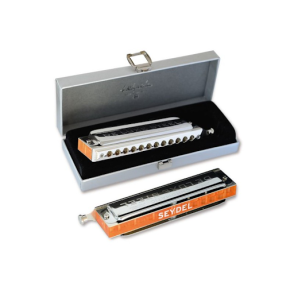
Did you know that the Seydel Chromatic De Luxe Steel is one of the few harmonicas in the world to feature stainless steel reeds? This isn't just a ...
Oct
30,
2023
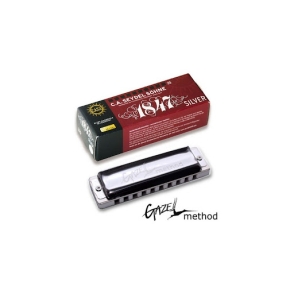
Think you know everything there is to know about harmonicas? Well, prepare to be amazed. The Seydel 1847 Silver Harmonica is here to shatter all ...
Sep
12,
2023
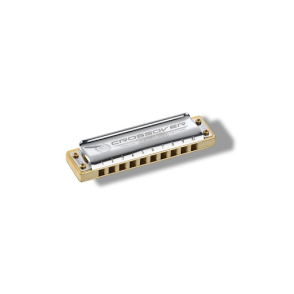
The Hohner Crossover harmonica is a true gem in the world of harmonicas. Designed with a serious player in mind, this harmonica offers a perfect ...
Sep
12,
2023
Welcome to our captivating blog, where we embark on a musical journey delving into "The Evolution of Chromatic Harmonicas: A Historical Overview." ...
No Blog Post Found

It’s how you produce sound, control phrasing, and express emotion. But here’s the thing: most beginners focus so much on notes that they forget the most important part of the instrument isn’t made of metal. It’s you.
Learning proper breathing exercises for harmonica players isn’t just about endurance; it’s about tone, timing, and musical control. Once you master your breath, everything else, bending, dynamics, improvisation, starts to fall into place.
Think of the harmonica as a wind-powered amplifier. It doesn’t have strings or keys; it has reeds that vibrate with the air you move through them.
That means your breathing is your technique. Strong, steady, and well-timed airflow is what separates a beginner’s shallow tone from a professional’s rich, expressive sound.
Proper breathing also helps you:
Without solid breath control, even the best harmonica in a professional’s hands will sound uneven.
Most new players breathe from the chest, quick, shallow puffs of air. That works for short bursts but collapses during longer phrases. To play with power and stamina, you need to breathe from your diaphragm, the muscle right below your lungs.
Here’s a quick test:
Put your hand on your stomach and take a deep breath. If your belly expands, you’re doing it right. If your shoulders rise, you’re not engaging your diaphragm fully.
When you play harmonica, that same technique gives you better air control and a warmer, fuller tone. It’s also the foundation of all professional breathing exercises.
Let’s go through a few practical drills to strengthen your breath and improve your tone control.
Before you even pick up your harp, stand or sit upright and inhale slowly through your nose for a count of four. Feel your stomach expand. Then exhale through pursed lips for a count of six. Repeat ten times.
This exercise builds awareness of how your diaphragm moves and teaches you to control airflow gently, essential for expressive playing.
Pick a single hole (try hole 4 blow). Take a deep diaphragmatic breath and blow a steady stream of air. How long can you hold the note before your tone wavers? Then switch to draw and repeat.
You’ll notice that blow notes usually feel easier, while drawn notes require stronger control. This exercise strengthens both and helps balance your tone between the two directions.
Play simple patterns like: blow-draw-blow-draw or draw-draw-blow-draw. Focus on keeping your airflow smooth, not choppy. Imagine your breath flowing like a tide, steady and rhythmic.
_1.jpg)
This is one of the best breathing exercises for harmonica players because it trains you to switch direction seamlessly without losing tone or timing.
Hold your harmonica, but don’t make a sound. Practice inhaling and exhaling through the instrument quietly. This builds control and prevents the “honking” sound that happens when you push too much air through the reeds.
Silent breathing also helps your muscles learn finesse instead of force.
Circular breathing lets players sustain notes without pause, used famously by jazz and world-music harmonica masters. It involves breathing in through your nose while pushing stored air out of your mouth simultaneously.
It’s tricky but possible. Start by practicing with water: fill your cheeks with air, push it out through pursed lips while inhaling through your nose. Once that feels natural, apply the same idea to the harmonica using slow, controlled airflow.
This isn’t essential for beginners, but mastering advanced techniques like circular breathing adds a professional polish to your performance.
Good breathing is about phrasing. Listen to great harmonica players like Sonny Boy Williamson or Charlie Musselwhite; you’ll notice how their breath defines their rhythm. They’re not just blowing air but sculpting musical sentences.
Try this simple routine:
This helps prevent running out of air mid-phrase and keeps your harmonica improvisation natural.
You can also think of breathing in musical terms: inhale during “questions,” exhale during “answers.” That conversational flow mirrors the emotion in vocal music.
Even experienced players sometimes slip into habits that hold them back.
Each of these small adjustments adds up to a big improvement in sound and control.
The best way to master breathing is to make it part of every session. Spend five minutes warming up your diaphragm before playing.
Between songs, pay attention to your breath recovery; don’t just gasp for air. Over time, you’ll find yourself breathing with intention, not out of habit.
You can even train your breathing away from the harmonica. Practice steady inhalation and exhalation while walking, or try yoga-style breathing to build stamina.
The stronger your breath support, the more expressive your harmonica playing becomes.
One of the harmonica’s most beautiful qualities is its ability to “speak.” Your breath translates directly into mood; soft exhalations can sound tender or sad, while sharp draws can sound urgent or fiery.
The more aware you are of your breathing patterns, the more emotional range you unlock.
This is why breath training is artistic. A player who controls their air controls their emotion.
Every great harmonica performance starts with great breath control and the right instrument.
A well-crafted harmonica responds faithfully to every nuance of your airflow, making your phrasing smoother and tone richer.
At Harmonicaland, you’ll find high-quality professional harmonicas designed for players who care about expression, precision, and quality.
Whether you’re practicing basic breathing exercises or refining advanced techniques, having a responsive harp makes all the difference.
Take a deep breath, pick up your harmonica, and let your next note feel effortless.
Contact us today and feel the difference in every note!





![How to Bend Notes on Your Harmonica [Ultimate Guide]](/modules/tvcmsblog/views/img/blog_left-bending-notes.jpg)

Comments : 2