



May
21,
2026
Introducing a child to music doesn’t have to involve expensive instruments or years of lessons. Sometimes, the simplest tools spark the biggest ...
May
21,
2026
Introducing a child to music doesn’t have to involve expensive instruments or years of lessons. Sometimes, the simplest tools spark the biggest ...
Dec
30,
2025
Some harmonicas don’t just make music; they carry history. The Blues Harp and the Marine Band 1896 are two of those instruments. If you’ve been ...
Dec
17,
2025
If you’ve been exploring the world of chromatic harmonicas, you’ve probably come across the legendary Hohner Chrometta series.
Oct
31,
2025
If you’ve ever felt dizzy or out of breath while playing, you’re not alone. Breathing is the heartbeat of harmonica playing, literally.
Oct
07,
2025
Learning scales, songs, and techniques can make you a solid harmonica player, but what really sets musicians apart is their ability to improvise.
Aug
27,
2025
Learning the harmonica often begins with simple melodies, chordal rhythms, and expressive bends.
Aug
26,
2025
Let’s face it—there’s nothing more frustrating than a harmonica that sounds even slightly off.
Jul
30,
2025
For an instrument that fits in your front pocket, the diatonic harmonica sure knows how to make noise. Not just noise—soul.
Jul
02,
2025
If you've ever heard that sweet, almost vocal cry in a blues riff—or that soulful dip in a country lick—and wondered, “How on earth do they do ...
Jun
05,
2025
When professional harmonica players choose their instruments, it’s more than just picking a brand or a model—it’s selecting their musical partner.
Mar
31,
2025
Finding the best chromatic harmonicas isn’t about grabbing the priciest one off the shelf or blindly trusting a review. It’s about finding the ...
Mar
06,
2025
So, you’re thinking about picking up the harmonica? Great choice. This little instrument has a rich, soulful sound that fits into blues, rock, ...
Feb
25,
2025
The harmonica is a timeless instrument, loved for its versatility, portability, and ability to create heartfelt melodies.
Feb
05,
2025
When it comes to choosing a harmonica, the brand you pick plays a huge role in shaping your musical experience.
Oct
30,
2023
Did you know that the harmonica has been around for centuries, yet it's one of the most underappreciated instruments out there? It's true. While ...
Oct
30,
2023
If you're searching for the best diatonic harmonica, you'll soon find out there's a lot to consider. Interested? You should be. Knowing the ...
Oct
30,
2023
Did you know that the Seydel Chromatic De Luxe Steel is one of the few harmonicas in the world to feature stainless steel reeds? This isn't just a ...
Oct
30,
2023
Think you know everything there is to know about harmonicas? Well, prepare to be amazed. The Seydel 1847 Silver Harmonica is here to shatter all ...
Sep
12,
2023
The Hohner Crossover harmonica is a true gem in the world of harmonicas. Designed with a serious player in mind, this harmonica offers a perfect ...
Sep
12,
2023
Welcome to our captivating blog, where we embark on a musical journey delving into "The Evolution of Chromatic Harmonicas: A Historical Overview." ...
No Blog Post Found

Some harmonicas don’t just make music; they carry history. The Blues Harp and the Marine Band 1896 are two of those instruments. If you’ve been playing for a while, or even if you’re just getting serious about blues, you’ve probably narrowed your decision down to these two legends.
The real challenge isn’t figuring out which one is good; they both are, but understanding which one fits you. That’s why the comparison between Hohner Blues Harp vs. Hohner Marine Band 1896 matters so much.
They look similar. They’re tuned similarly. They’re both built for blues. Yet they feel very different once they’re in your hands and against your lips.
Before getting into differences, it’s worth pointing out what these harmonicas have in common.
Both models are:
Both are also loud, expressive, and capable of deep bends. You can play classic Chicago blues on either one and sound convincing. But that’s where the similarities end.
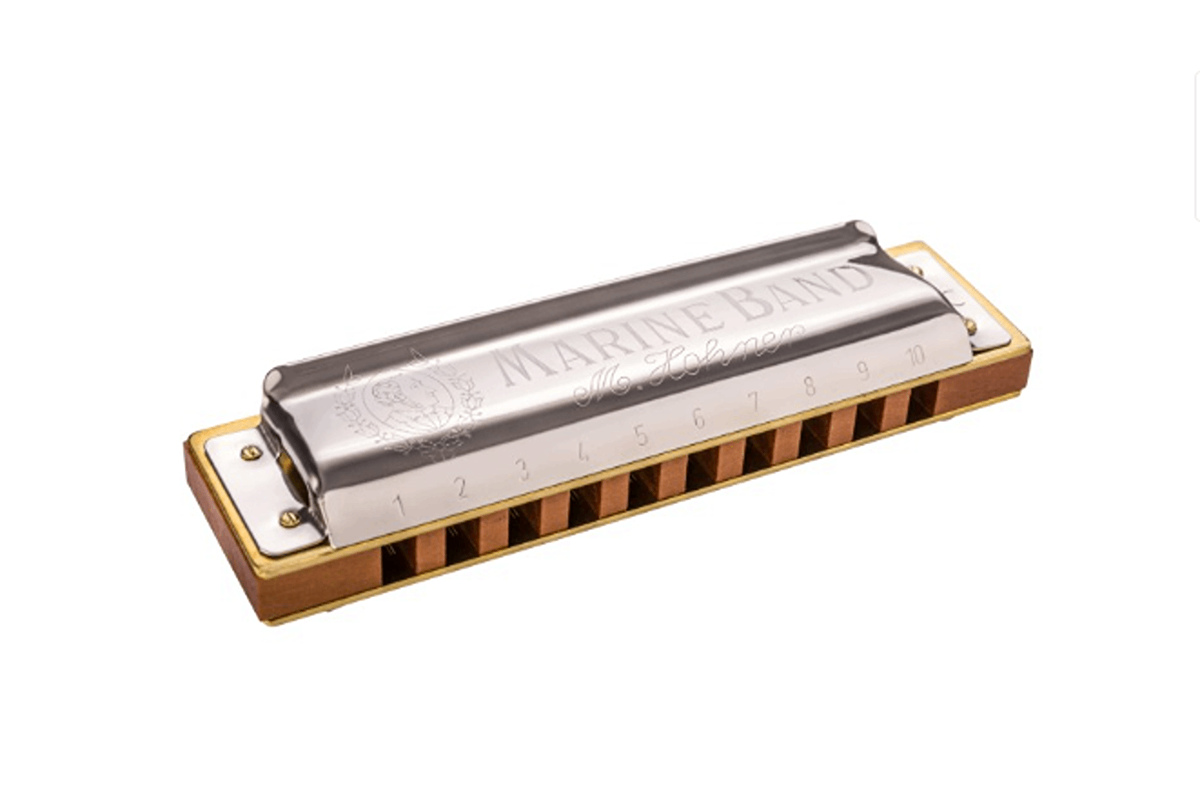
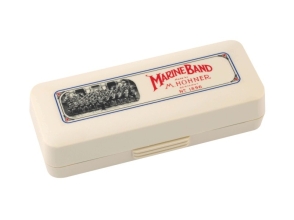
The Marine Band 1896 is the harmonica. This is the instrument heard on countless blues recordings, from Little Walter to Sonny Boy Williamson.
Its defining feature is the pearwood comb, which gives it a warm, woody tone that many players describe as “alive.” There’s a natural compression to the sound that makes bends feel emotional and raw.
That same wooden comb, though, comes with trade-offs:
The Marine Band rewards good technique. If your embouchure is solid and you know essential breathing techniques, it responds beautifully. If they’re not, it can feel demanding.
Best for:
The Hohner Blues Harp was designed as a more practical alternative, something easier to live with while still delivering an authentic blues voice.
Its biggest difference is the sealed doussie wood comb. This wood is denser and treated to resist moisture, which means:
The Blues Harp also features screw assembly instead of nails, making it much easier to open, clean, and customize. Players who want to adjust tuning on their harmonica will find this design far more accessible.
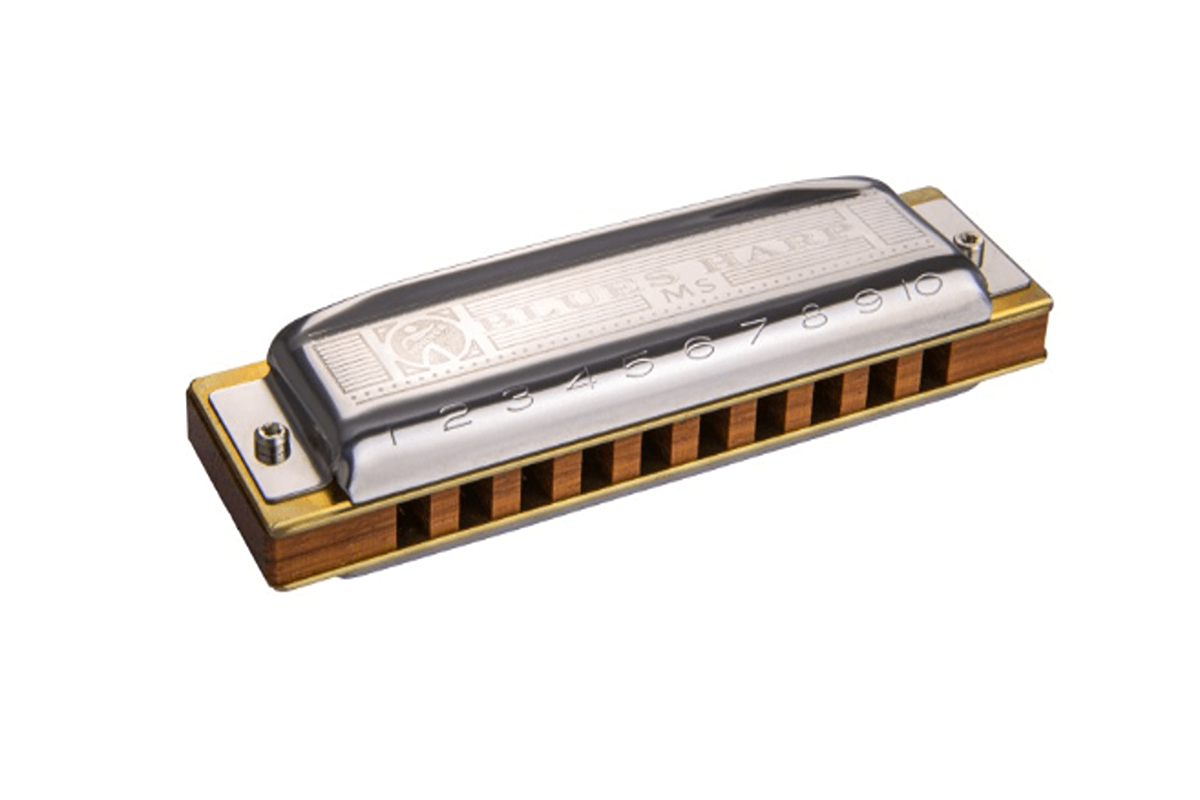
Tonally, it’s slightly brighter and more controlled than the Marine Band. Some players feel it’s a touch less “gritty,” but others appreciate the clarity, especially in amplified blues or rock settings.
Best for:
This is where the Hohner Blues Harp vs. Hohner Marine Band 1896 debate becomes personal.
The Marine Band:
The Blues Harp:
If you play long sessions, especially amplified blues, comfort matters more than romance. That’s often when players lean toward the Blues Harp.
Let’s talk tone, because that’s what this decision often comes down to.
Neither is better universally. The Marine Band excels in acoustic blues and traditional settings. The Blues Harp cuts through a band mix more easily, especially with a mic and amp.
If you love that old-school “breathing with the harp” feeling, the Marine Band wins. If you want clarity and consistency night after night, the Blues Harp starts to make more sense.
This part matters more than people like to admit.
Marine Band 1896:
Blues Harp:
If you gig, travel, or practice daily, the Blues Harp is simply easier to live with. The Marine Band, on the other hand, rewards patience and respect.
Typically, the Marine Band 1896 is slightly cheaper, though prices vary by retailer. The Blues Harp usually costs a bit more, but that extra cost often pays for itself in durability and convenience.
Think of it this way:
Here’s the honest breakdown:
Choose the Marine Band 1896 if:
Choose the Blues Harp if:
The best choice depends on your playing life, not just your taste.
Harmonicaland offers harmonicas that make finding your perfect blues sound effortless.
Both the Hohner Blues Harp and the Hohner Marine Band 1896 carry a rich legacy, offering unique tones and playability to suit any musician.
Explore these iconic harmonicas with expert guidance and support from Harmonicaland, ensuring you choose the right fit for your style.
Contact us today to start your journey into the heart of blues music!





![How to Bend Notes on Your Harmonica [Ultimate Guide]](/modules/tvcmsblog/views/img/blog_left-bending-notes.jpg)

Comments : 3